Does my child need braces? Signs to look for and when to book a check
Specialist Orthodontist Dr Henry Wong explains the signs that a child may need braces, the best age for a first check, the options available and how to help your child through treatment.
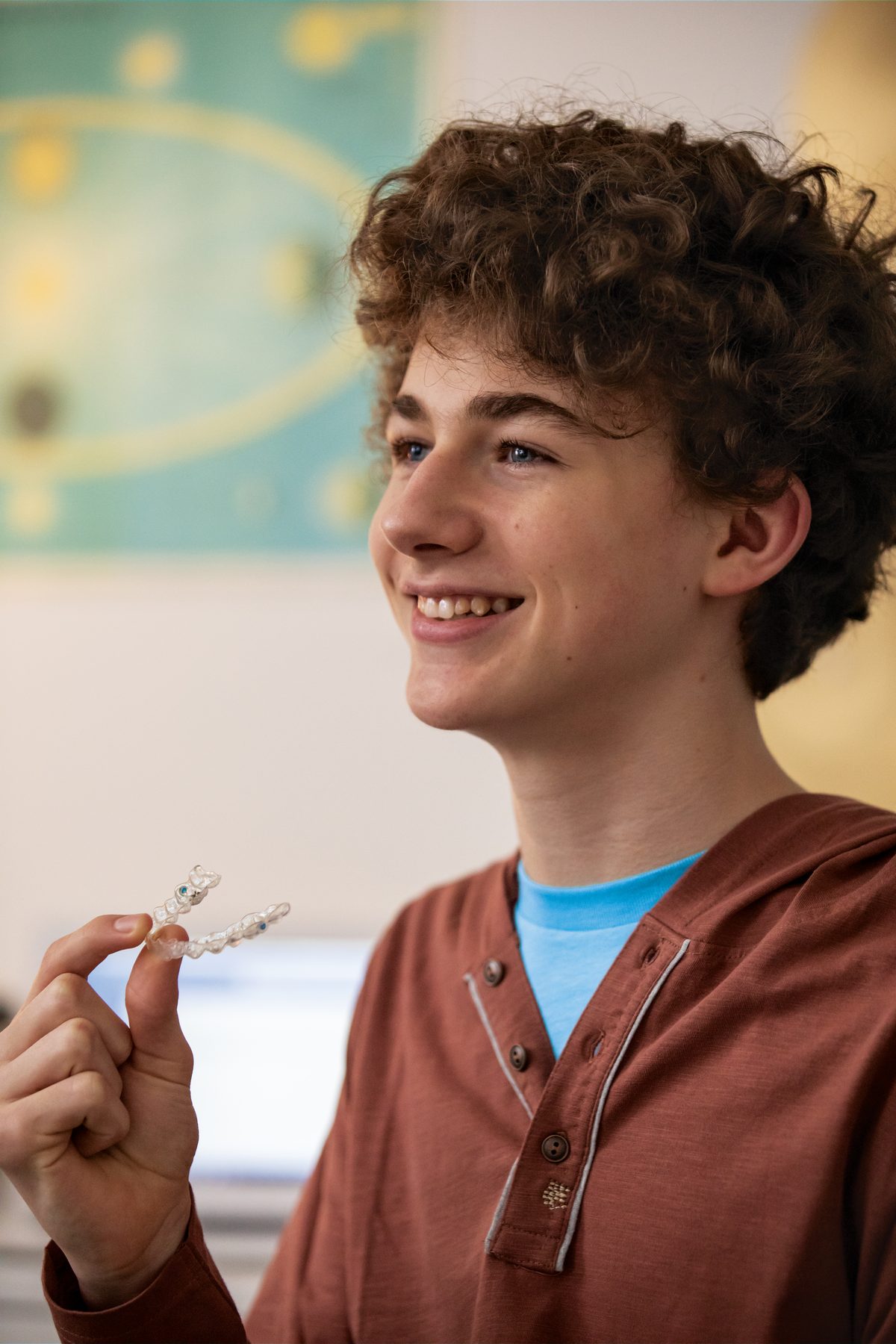
As a Specialist Orthodontist, one of the questions I am asked most often by parents is a simple one: does my child need braces? Sometimes the answer is obvious. Often it is not, because a child's mouth changes so much between the ages of six and fourteen. This guide explains what to look out for, when it is worth having a check, and what treatment involves if it is needed.
At a glance
- A first orthodontic check around the age of seven to nine lets us spot problems with the bite and jaw growth early. Many children simply need monitoring.
- Most brace treatment starts between about 11 and 14, once most of the adult teeth have come through.
- Signs worth checking include crowded or crooked teeth, top teeth that stick out, a bite where the teeth do not meet properly, and baby teeth lost very early or very late.
- At Bellevue Dental, treatment is planned and provided by a GDC registered Specialist Orthodontist, using fixed braces, hidden lingual braces or Invisalign® clear aligners.
- Guide fees: fixed braces from £3,500, Invisalign® treatment from £4,500. Every family receives a written plan with exact costs.
What is orthodontics?
Orthodontics is the branch of dentistry that diagnoses, prevents and corrects problems with the position of the teeth and jaws. That covers crooked and crowded teeth, but also the bite: how the upper and lower teeth meet when your child closes together. A good bite is easier to keep clean, spreads the forces of chewing evenly and is less likely to lead to worn or damaged teeth later in life.
Treatment has changed a great deal over the last twenty years. Brackets are smaller, wires are more efficient, and digital scanning means that for most children there is no need for the goopy impressions their parents may remember. At Bellevue we take a 3D iTero™ scan instead, which takes a few minutes and lets your child see their own teeth on screen.
When should my child have their first orthodontic check?
I suggest a first check around the age of seven to nine. At this age a child has a mix of baby and adult teeth and the jaws are still growing, so it is a good moment to see how things are developing.
For most children, that first visit ends with reassurance and a plan to keep an eye on things. For a smaller number, a little help at the right time can make later treatment simpler or shorter. Examples include a narrow upper jaw that causes a crossbite, adult teeth that are not coming through in the right place, or top front teeth that stick out far enough to be at risk of being knocked in a fall.
Part of a specialist's job is knowing when not to treat. If the right advice is to wait, we will tell you, and explain what we are watching for.
Signs your child may need braces
You know your child's smile better than anyone. These are the things worth mentioning to your dentist or booking a check for:
- Crowded or crooked teeth. Adult teeth that overlap or come through out of line are harder to brush and floss, which raises the risk of decay and gum problems.
- Gaps between the teeth. Small gaps are normal while baby teeth are being lost; large or persistent gaps can point to missing or extra teeth.
- Top teeth that stick out. Prominent upper front teeth are more easily chipped or knocked, and many children feel self-conscious about them.
- A bite that does not meet properly. A deep bite, where the top teeth cover most of the bottom teeth; an underbite, where the lower teeth sit in front of the upper teeth; a crossbite; or an open bite, where the front teeth do not touch.
- Baby teeth lost very early or very late, or adult teeth that seem to be missing or stuck.
- Habits that last beyond the early years, such as thumb or finger sucking, a dummy, or the tongue pushing forward against the teeth when swallowing. These can move teeth and narrow the upper jaw.
- Difficulty biting or chewing, or a jaw that shifts to one side when your child closes.
What happens at the first visit?
The first appointment is relaxed and unhurried. I look at your child's teeth, bite and face, ask about any habits, and usually take photographs and a 3D scan. If an X-ray is needed to see the adult teeth still developing under the gums, I will explain why before taking it.
Then we talk it through together, with your child included in the conversation. You will leave knowing whether treatment is needed now, later or not at all, which options would suit, roughly how long treatment would take, and what it would cost.
Which type of brace is right for my child?
There is no single best brace. The right choice depends on the problem we are correcting, your child's age, and how they feel about the look of it. At Bellevue I provide every type of brace, so the recommendation follows your child's teeth rather than a particular system.
Fixed metal braces
The most versatile option and the most widely used. Small brackets are bonded to each tooth and joined by a wire, giving precise control over how every tooth moves. Many children enjoy choosing coloured elastics at each visit.
Tooth-coloured ceramic braces
These work in the same way as metal braces but the brackets blend in with the teeth, so they are much less noticeable. They are a popular choice for teenagers.
Damon braces
Damon braces use a small sliding door to hold the wire rather than elastic ties. They suit many teenagers and can be a good option for certain types of crowding.
Hidden lingual braces
Lingual braces are fitted to the back of the teeth, so they cannot be seen when your child smiles. They take a little longer to get used to and cost more, but they are completely discreet.
Invisalign® clear aligners
A series of clear, removable aligners, each worn for one to two weeks, that gradually move the teeth. Aligners suit many teenagers with mild to moderate problems, but they only work if they are worn for 20 to 22 hours a day. Part of my job is being honest with you, and your teenager, about whether aligners or fixed braces will give the better result. You can read more on our Invisalign® page.
For a fuller comparison, see our pages on braces and orthodontics for children.
Looking after teeth and braces
Braces do not cause decay, but they do create more places for plaque and food to collect. Good habits make a real difference to the result:
- Brush carefully twice a day with a fluoride toothpaste, paying attention to the area around each bracket, and rinse after meals where possible.
- Use small interdental brushes or floss threaders to clean between the teeth and under the wire.
- Avoid sticky and very hard foods such as toffee, chewing gum, hard sweets, nuts and popcorn, which can break brackets and add time to treatment. Cut apples and crusty bread into small pieces.
- Keep sugary and fizzy drinks to mealtimes.
- Keep up regular check-ups with your dentist and visits with the hygienist throughout treatment.
- Wear a mouthguard for contact sports. We can advise on the right type for braces.
Helping your child get used to braces
Most children adapt much faster than their parents expect. A few things help:
- Be honest about what to expect. Explain that the teeth may feel tender for a few days after the braces go on and after each adjustment, and that this settles.
- Plan soft meals for the first few days, such as pasta, soup, yoghurt, scrambled eggs and smoothies.
- Pain relief. If needed, a children's pain reliever such as paracetamol, taken as directed on the packet, usually helps.
- Orthodontic wax. We give every child wax to press over any bracket that rubs the cheek or lip while the mouth gets used to it.
- Let them choose. Picking the colour of their elastics, or being part of the choice between brace types, gives children a sense of control.
Adjustment visits are usually every six to ten weeks. Encourage your child to tell us about anything that is bothering them; small problems are easy to sort out at the time.
How much do braces cost?
The cost depends on the type of brace and how complex the treatment is. Our current guide fees are:
- Fixed braces from £3,500
- Damon braces from £4,000
- Invisalign® treatment from £4,500
- Hidden lingual braces from £9,500
After the first consultation you receive a written treatment plan with the exact cost, so there are no surprises. Finance is available through Tabeo on treatment plans from £1,000, subject to status and affordability checks, and some dental insurance policies contribute towards orthodontic treatment, so it is worth checking yours. Full details are on our fees page.
After braces: keeping the result
Teeth have a natural tendency to drift back towards where they started, especially in the first year. Every child finishes treatment with retainers, usually a thin wire bonded behind the front teeth, a clear removable retainer such as Vivera™, or both. Wearing them as advised is what keeps a lovely result for life.
Frequently asked questions
Is my child too young for an orthodontic check?
Not usually. From around seven, a check is worthwhile, even though most children will not need treatment until they are older.
Do braces hurt?
Fitting braces does not hurt. The teeth feel tender for a few days afterwards and after adjustments, which simple pain relief and soft food help with.
How long will treatment take?
Most brace treatment takes between one and two years, depending on what needs correcting. I will give you an estimate at the first consultation.
Will my child need teeth taken out?
Sometimes, when there is not enough space for all the adult teeth, but often it can be avoided. If extractions would help, I will explain why and talk through the alternatives.
Can my child play sport and musical instruments with braces?
Yes. A mouthguard is important for contact sports, and wind and brass players usually adapt within a week or two.
Do we need a referral?
No. You can book a consultation directly, or your family dentist can refer you.
Book an orthodontic check in Wandsworth
If you are wondering whether your child might need braces, the simplest thing is to come and see us. Bellevue Dental is at 7 Jaggard Way, Wandsworth Common, London SW12 8SG, a minute from Wandsworth Common station. Book online, call 020 8673 9995 or message us on WhatsApp.
About the author
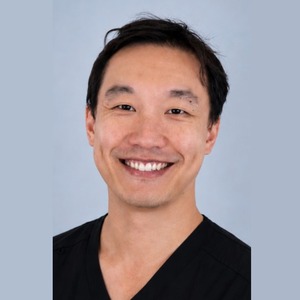
Dr Henry Wong is a Specialist Orthodontist at Bellevue Dental (GDC No. 172549). He qualified at the University of Melbourne, gained his Membership of the Royal College of Surgeons of England, trained as a specialist registrar in orthodontics at Charles Clifford Dental Hospital in Sheffield and holds the Intercollegiate Membership in Orthodontics. He treats children, teenagers and adults with every type of brace and aligner. Read more about Henry.