Transform your smile: expert hygienist treatments in Wandsworth
Sarah Waters, dental hygienist at Bellevue Dental, explains what a hygienist really does, how the eight-step Guided Biofilm Therapy (GBT) clean works, what it costs in Wandsworth, and how to keep your smile healthy between visits.
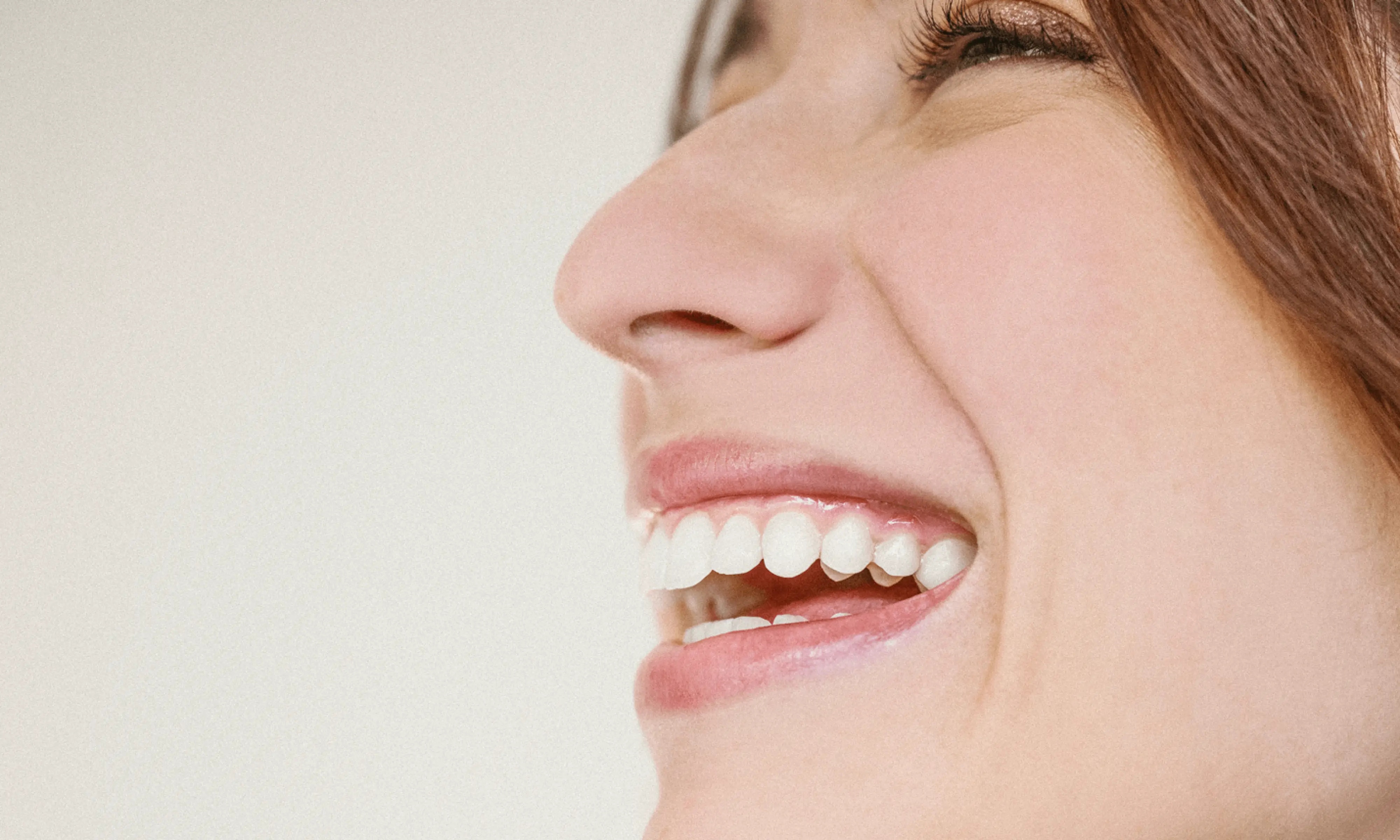
A healthy smile starts with healthy gums. As the dental hygienist at Bellevue Dental in Wandsworth Common, my job is to keep your teeth and gums free of the bacterial film that causes decay, gum disease and staining, and to show you how to keep them that way at home. This guide explains what a hygienist does, which treatments we offer, exactly what happens during a modern Guided Biofilm Therapy (GBT) appointment, what it costs, and how to look after your mouth between visits.
Hygienist treatments at a glance
- What a hygienist does: removes plaque (biofilm), tartar and surface stains, prevents and treats gum disease, and coaches you on home care.
- How we clean at Bellevue: Guided Biofilm Therapy, an eight-step protocol developed by the Swiss company EMS that uses AIRFLOW technology rather than gritty polishing paste and prolonged scraping.
- How often: every six months for most adults, and every three to four months if you have gum disease, implants, braces or other risk factors.
- Guide fees: hygienist review appointment £130; Guided Biofilm Therapy with the hygienist £195.
- Where: Bellevue Dental, 7 Jaggard Way, Wandsworth Common, London SW12 8SG. You can book directly with the hygienist.
What does a dental hygienist do?
A dental hygienist is a dental professional, registered with the General Dental Council (GDC), whose work is focused on preventing and treating gum disease. Where your dentist checks, diagnoses and treats, the hygienist cleans, prevents and maintains. The two roles work side by side: I look after the health of your gums and the surfaces of your teeth, and anything that needs a diagnosis or a restoration goes straight to your dentist.
In practice, my work falls into three parts:
- Professional cleaning: removing plaque, hardened tartar (calculus) and staining from above and below the gum line, including the areas a toothbrush cannot reach.
- Prevention: spotting the early signs of gum inflammation, applying fluoride varnish or fissure sealants where they will help, and keeping implants, crowns and orthodontic appliances clean.
- Education: showing you, in your own mouth, where plaque is being missed and which brushes and techniques will fix it. We also talk about diet, smoking and anything else that affects your gums.
Why regular hygiene visits matter
Plaque is a sticky film of bacteria, known clinically as biofilm, that forms on your teeth and gums every day. Brushing and cleaning between your teeth remove most of it, but rarely all of it. What is left behind hardens into tartar, which cannot be brushed away and can only be removed professionally.
Left in place, biofilm and tartar irritate the gums. The first stage is gingivitis: red, swollen gums that bleed when you brush. Gingivitis is reversible. If it is ignored it can progress to periodontitis, where the gum and bone that hold the teeth in place are gradually lost. Periodontitis is usually painless until it is advanced, which is why it so often goes unnoticed, and it is one of the main reasons adults lose teeth.
Regular hygiene appointments break that cycle. The European Federation of Periodontology's position is that natural teeth and implants are kept for longer through a combination of professional care and good daily cleaning at home. Neither works as well on its own.
Hygienist treatments at Bellevue Dental in Wandsworth
- Hygienist review appointment (£130): a gum health assessment, a professional clean and personalised home care advice.
- Guided Biofilm Therapy with AIRFLOW (£195): our most thorough clean, following the full eight-step GBT protocol described below.
- Gum disease treatment (deep scaling from £150): careful cleaning beneath the gum line for patients with periodontal pockets, with local anaesthetic where needed, followed by a maintenance programme.
- Fluoride varnish (£40) and fissure sealants (£60): protective treatments that strengthen enamel and seal the deep grooves of back teeth where decay most often starts.
- Stain removal: tea, coffee, red wine and tobacco stains are lifted as part of an AIRFLOW clean.
Our full guide fees are published here, and you will always know the cost before treatment begins.
What to expect during your hygienist appointment: the 8 steps of Guided Biofilm Therapy
If you are visiting a hygienist in Wandsworth for the first time, it helps to know exactly what will happen. At Bellevue we follow Guided Biofilm Therapy, the evidence-based, systematic protocol developed by EMS. It replaces the traditional scrape-then-polish routine with eight steps that are followed in the same order at every visit and adapted to your mouth.
- Assessment and infection control. You begin with an antibacterial mouth rinse. I then assess your teeth, your gums and the tissues around any implants, and ask about changes to your health or medication. Anything that needs a dentist's diagnosis is noted for them.
- Disclose. A harmless coloured dye is painted onto your teeth. It stains biofilm so that we can both see exactly where it is hiding. The colour then guides the cleaning: when the colour has gone, the biofilm has gone.
- Motivate. With the biofilm visible, I show you in the mirror which areas your brushing is missing and how to reach them, and we agree the interdental brushes, floss or electric toothbrush technique that suits your mouth. This is the step that makes the biggest difference between visits.
- AIRFLOW. A controlled spray of warm water, air and a very fine erythritol-based powder removes biofilm, surface stains and early tartar from the teeth, along the gum line and from the gums and tongue. It is gentle enough to use around implants, braces, crowns, veneers and exposed, sensitive root surfaces.
- PERIOFLOW. If you have deeper gum pockets, a slim nozzle delivers the same powder beneath the gum line to clean where a toothbrush and floss cannot reach. Not every patient needs this step.
- PIEZON PS. Any hard tartar that remains is removed with a fine, minimally invasive ultrasonic instrument. Because AIRFLOW has already cleared the biofilm, the tartar is easier to see and far less instrumentation is needed than with a traditional scale.
- Check. A final check confirms that all biofilm and tartar have been removed. Clean teeth also make early decay easier to spot, so anything I notice is passed to your dentist. Fluoride protection is applied where appropriate.
- Recall. We agree when you should come back, based on your individual risk rather than a fixed rule, and I will ask how you found the treatment so that we can make your next visit even more comfortable.
You may notice what is missing: there is no gritty paste and no rubber polishing cup. After GBT the tooth surfaces are already clean and smooth, so abrasive polishing adds nothing. Most people find the appointment noticeably gentler than a traditional clean.
How hygienist treatment transforms your smile
Clean teeth look brighter. AIRFLOW lifts the surface staining left by coffee, tea, red wine and tobacco, so your teeth return to their natural shade and feel smooth to the tongue. Healthy gums matter just as much to the look of a smile: they are pink and firm, they frame the teeth evenly and they do not bleed. Fresher breath usually follows, because the bacteria responsible have been removed.
A hygiene visit does not change the underlying colour of your teeth. If you would like a lighter shade, your dentist can prescribe professional whitening, and a GBT clean beforehand gives the whitening gel a clean surface to work on. The same applies before composite bonding or other cosmetic work.
Hygiene care also protects what you have already invested in. Dental implants, crowns, veneers, bonding and orthodontic treatment all last longer and look better when the gums around them are healthy.
Oral health and your general health
Your mouth is not separate from the rest of your body. Research has consistently linked gum disease with wider health conditions, including cardiovascular disease and diabetes. The relationship with diabetes runs in both directions: people with diabetes are more prone to gum disease, and untreated gum disease can make blood sugar harder to control.
That does not mean a hygiene appointment treats those conditions. It does mean that keeping gum inflammation under control is a sensible part of looking after your general health. Please tell me if you are pregnant, have been diagnosed with a new condition or have started new medication, because all three can affect your gums and how often you should be seen.
How to choose the right hygienist in Wandsworth
A few direct questions will tell you most of what you need to know:
- Is the hygienist registered with the General Dental Council?
- Do they follow a modern, structured protocol such as Guided Biofilm Therapy, or a basic scale and polish?
- Will they show you where plaque is being missed and give you advice that is specific to your mouth?
- Do they work alongside your dentist, with shared records, so that nothing falls between two practices?
- Can you book directly, at a location that makes regular visits easy to keep?
Pay attention, too, to how you are treated on the day. You should leave understanding the state of your gums and knowing exactly what to do at home, not just with cleaner teeth.
Looking after your smile between visits
What you do every day matters more than what I do twice a year. These habits make the biggest difference:
- Brush twice a day for two minutes with a fluoride toothpaste (1,450 ppm fluoride for adults), using a soft manual brush or an electric toothbrush, and pay particular attention to the gum line.
- Spit, don't rinse. Leaving a film of toothpaste on your teeth lets the fluoride keep working.
- Clean between your teeth every day with interdental brushes where they fit and floss where they do not. I will size the brushes for you at your appointment.
- Keep sugary and acidic food and drink to mealtimes, and drink water in between. Frequent acid exposure also contributes to tooth wear.
- Stop smoking or vaping if you can. Both raise your risk of gum disease and can hide its early warning signs.
- Do not ignore bleeding gums. Bleeding is a sign of inflammation, not a reason to brush less.
Frequently asked questions
Is Guided Biofilm Therapy painful?
For most people, no. AIRFLOW is noticeably gentler than traditional scaling, and it is comfortable on sensitive teeth and exposed root surfaces. If treatment needs to go beneath the gum line, local anaesthetic can be used.
How is GBT different from a scale and polish?
A traditional scale and polish removes tartar with hand or ultrasonic instruments and then polishes with a rubber cup and abrasive paste. Guided Biofilm Therapy starts by making the biofilm visible with a disclosing dye, removes it with AIRFLOW, and uses an ultrasonic instrument only where hard tartar remains. It is more targeted, less abrasive and includes personalised home care coaching at every visit.
How often should I see the hygienist?
Every six months suits most adults with healthy gums. If you have a history of gum disease, dental implants, braces or aligners, diabetes, or you smoke or vape, every three to four months is usually recommended. Your recall interval is agreed with you at the end of each appointment.
Can I book a hygienist appointment without seeing a dentist first?
Yes. You can book directly with the hygienist at Bellevue Dental. A hygiene appointment does not replace your dental examination, though: the hygienist does not diagnose decay or carry out fillings, so regular check-ups with your dentist are still needed.
Will a hygiene appointment whiten my teeth?
It removes surface staining, so teeth usually look brighter, but it does not change the underlying shade of the tooth. Professional whitening is a separate treatment prescribed by your dentist.
Is GBT suitable for implants, braces, veneers and sensitive teeth?
Yes. AIRFLOW with fine erythritol-based powder is designed to be used around implants and orthodontic brackets, on crowns, veneers and other restorations, and on exposed dentine.
How much does a hygienist appointment cost in Wandsworth?
At Bellevue Dental a hygienist review appointment is £130 and Guided Biofilm Therapy with the hygienist is £195. Gum disease treatment starts from £150 per visit, fluoride varnish is £40 and fissure sealants are £60. All of our guide fees are listed here.
Book a hygienist appointment in Wandsworth
Investing in regular hygiene care is one of the simplest and most effective things you can do for your smile and your long-term health. If your gums bleed, your teeth feel rough or stained, or it has simply been a while, I would be glad to see you. You can book a hygienist appointment online, read more about hygiene care at Bellevue Dental, or contact the practice at 7 Jaggard Way, Wandsworth Common, London SW12 8SG.
About the author
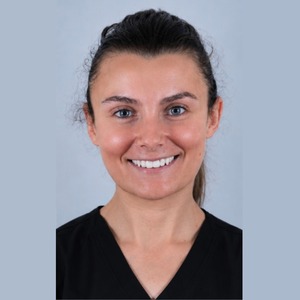
Sarah Waters is a dental hygienist and therapist at Bellevue Dental, Wandsworth Common. A BSc (Hons) graduate of Newcastle University and registered with the General Dental Council, she has seven years of clinical experience, with a particular interest in prevention, caring for nervous patients and gum disease treatment. Her approach centres on explaining things in clear, jargon-free language and building home care routines that fit into daily life. Read more about hygiene care at Bellevue Dental.